
Schools
Inside the hunt for killer of University of North Carolina student found beaten, bloodied
By Katherine Langford
Advertisement · Why this ad?
Katherine oversees editorial operations across all six brands. Before joining The Meridan Group, she spent 14 years at the Minneapolis Star Tribune, where she led the metro desk through its digital transformation. She holds a Master's in Journalism from Northwestern's Medill School.
More from Katherine →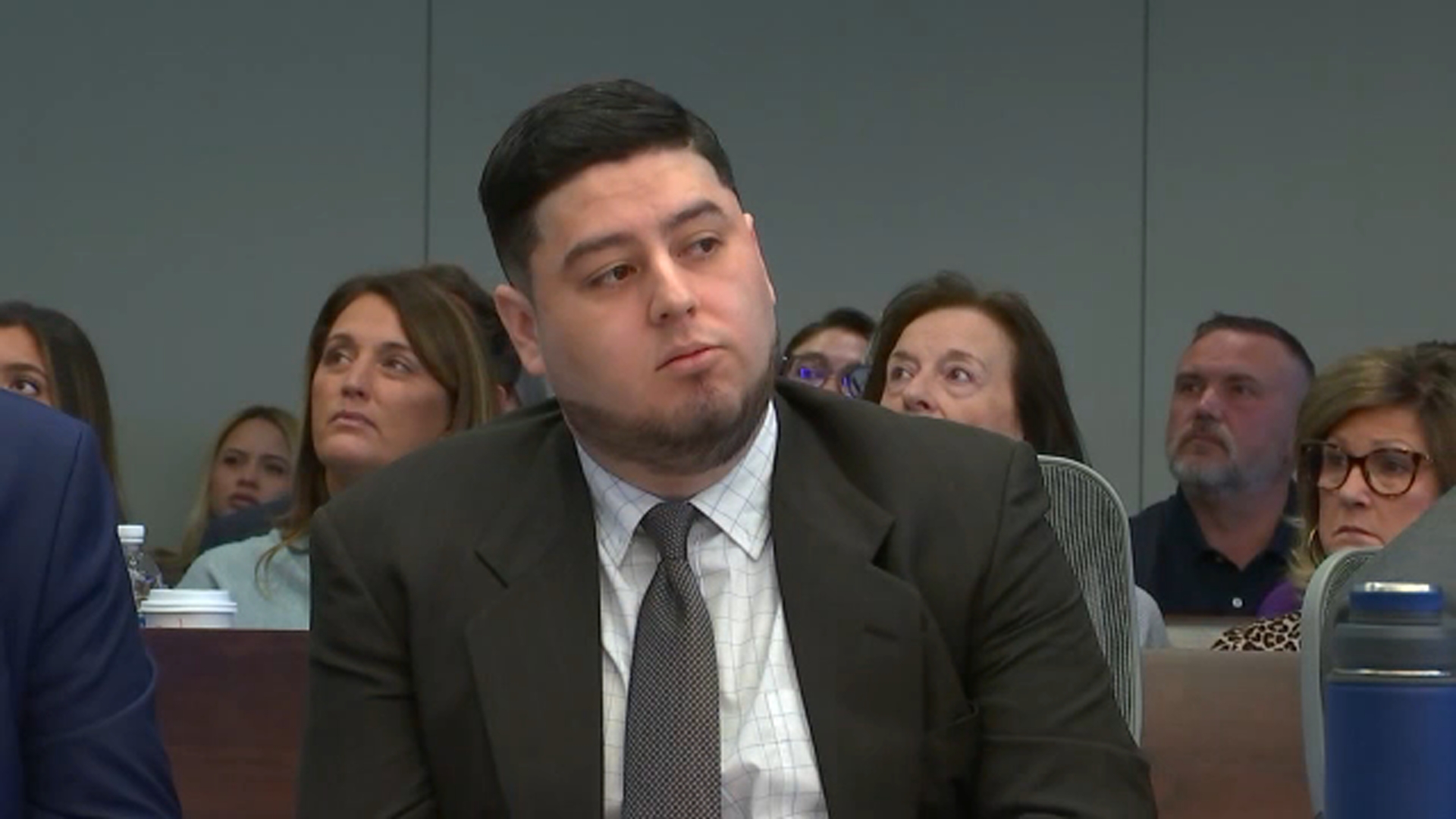
On a crisp autumn day in 2012, the community of Chapel Hill, North Carolina, was shaken by the tragic murder of Faith Hedgepeth, a promising University of North Carolina student with dreams of becoming a physician. The bright young woman was found dead in her apartment, leaving behind a family and friends who mourned her loss deeply. Nearly a decade later, the aftermath of this devastating crime continues to reverberate, especially as it has now reached the legal system once more with the recent filing of an appeal by Miguel Olivares, who was convicted of her murder.
Faith Hedgepeth, a 19-year-old sophomore, was discovered lifeless in her apartment on September 7, 2012. The case quickly garnered national attention due to its brutality and the apparent randomness of the crime. In 2022, after years of investigation and trial, Miguel Olivares was convicted of first-degree murder and sentenced to life in prison without the possibility of parole. The jury's decision came after a lengthy trial that revealed the complexities of the case, including DNA evidence and witness testimonies.
Fast forward to 2023, and Olivares's legal team has taken a significant step by filing a notice of appeal. The appeal process is a vital component of the American judicial system, allowing those convicted of crimes to challenge their convictions based on various grounds, including procedural errors, new evidence, or ineffective counsel. Olivares's attorneys have articulated their intention to review the trial's proceedings, suggesting that they believe there may have been substantial errors that could warrant a new trial.
The murder of Faith Hedgepeth was not just a legal matter; it was a community tragedy that affected many lives. Hedgepeth was known for her vibrant personality and dedication to her studies. Her family, particularly her mother, has been vocal about their grief and the impact of her loss. The case has remained in the public eye, not only because of the heinous nature of the crime but also due to the ongoing quest for justice by her family and friends.
In the wake of her death, the community rallied together, holding vigils and creating awareness around violence against women. The local law enforcement agencies worked diligently on the case, and the eventual conviction of Olivares was seen as a step toward justice, albeit a painful one. The appeal, however, raises questions about the finality of that justice and whether the legal system will uphold the conviction that many believe was hard-earned.
The news of Olivares's appeal has sparked a renewed conversation within the Atherton community and beyond. Residents are reflecting on the implications of the appeal, considering both the legal and emotional ramifications. Many community members remember the outpouring of support for Hedgepeth's family during the trial, and there is a palpable sense of unease surrounding the prospect of revisiting the case.
Community leaders and advocates for victims' rights have expressed concern over the appeal process, emphasizing the importance of standing with families who have suffered from violent crime. Organizations dedicated to supporting victims and their families, such as the National Center for Victims of Crime, highlight the psychological toll that such cases take on communities and the imperative of ensuring justice is served.
Local residents have also expressed their concerns, with many attending town hall meetings to discuss the implications of the appeal. The community has seen an increase in outreach programs aimed at educating young people about personal safety and the importance of speaking out against violence. Faith's story has become a catalyst for change, prompting discussions on how to better protect vulnerable individuals and support victims' families in their time of need.
From a legal standpoint, the appeal filed by Olivares's attorneys is a standard procedure in the criminal justice system. Legal experts note that appeals can take years to resolve, often involving extensive reviews of trial transcripts and evidence. The grounds for appeal can vary widely, and in this case, Olivares's team may argue that there were significant procedural missteps that compromised the integrity of the trial.
As the appeal process unfolds, it will be crucial to monitor how the legal arguments are presented and how the courts respond. The case serves as a reminder of the delicate balance between ensuring justice for victims and providing defendants with their rights to a fair trial. This balance is essential for maintaining public trust in the legal system.
Some legal analysts have suggested that the outcome of this appeal could set a precedent for similar cases in the future, especially those involving high-profile crimes. It raises questions about the standards of evidence and the necessity for ensuring that all aspects of a trial are conducted properly. As the community watches closely, many are eager to see how the legal system navigates these complex issues.
The path forward for both the Hedgepeth family and Olivares is fraught with uncertainty. For the Hedgepeth family, the prospect of revisiting the trial may reopen old wounds, forcing them to relive the trauma of losing Faith. They have remained steadfast in their pursuit of justice and are likely to continue advocating for victims' rights as the appeal progresses.
As for Olivares, his legal team will prepare for what could be a lengthy and complex legal battle. The outcome of the appeal could have far-reaching implications, not only for Olivares but also for future cases involving similar circumstances. The community watches closely, hoping for a resolution that honors Faith's memory and brings closure to those who loved her.
Additionally, local advocacy groups are mobilizing to ensure that the voices of victims and their families are heard throughout the appeal process. They are organizing workshops and forums to educate the public about the legal system and the importance of supporting victims' rights. This proactive approach aims to foster a sense of solidarity and resilience within the community as they grapple with the implications of the ongoing legal proceedings.
In light of the emotional toll cases like these can take on families and communities, various resources are available for those in need of support. Organizations such as the RAINN provide vital assistance to survivors and families affected by violent crime. Additionally, local support groups can offer a safe space for individuals to share their experiences and find solace.
As the appeal process unfolds, it is essential for the community to come together, supporting one another and remembering the importance of justice and healing. Faith Hedgepeth's story is a poignant reminder of the need for vigilance in the face of violence and the enduring strength of family and community bonds. The continued dialogue surrounding her case serves not only as a tribute to her memory but also as a call to action for those who seek to prevent similar tragedies in the future.
By Katherine Langford

By Katherine Langford

By Marcus Chen

By Marcus Chen